Pipe or Plumbing Repair: Choose Wisely
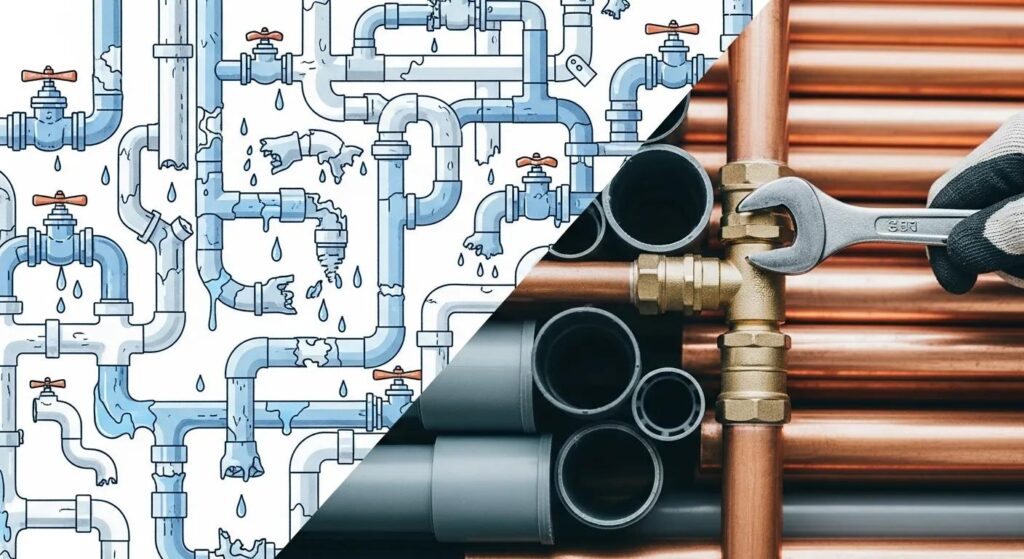
Choosing between pipe repair and plumbing repair starts with understanding the scope of the problem: a localized pipe issue usually requires a targeted pipe repair, while system or fixture problems call for broader plumbing repair. This guide explains the difference clearly, shows common symptoms for each option, and outlines when repiping or pipe replacement is the smartest long-term choice. Homeowners and property managers in Macomb, Oakland, and Wayne Counties will learn how materials like PEX, copper, galvanized steel, cast iron, and lead influence repair decisions and what modern techniques such as trenchless relining and CIPP offer. The article also walks through cost drivers, emergency signs, immediate actions to limit damage, and practical next steps for scheduling an inspection or getting a quote. Read on for step-by-step diagnostics, repair method comparisons, EAV tables that clarify cost and material trade-offs, and targeted checklists to help you decide whether to repair, repipe, or call for emergency service.
What Is Pipe Repair and When Is It Needed?
Pipe repair is a focused fix applied to a specific segment of piping to stop leaks, seal pinholes, or replace a short damaged section, and it restores service quickly with minimal disruption. The mechanism is typically localized containment and restoration—patching, clamping, spot replacement, or relining—so the household benefit is rapid restoration of water flow and reduced immediate damage. Pipe repair is appropriate when damage is confined, the surrounding piping remains sound, and the anticipated lifespan of the fix meets your timing needs. Understanding these parameters helps homeowners choose the least invasive, most cost-effective solution and prepares them for possible follow-up work if systemic deterioration appears.
Repair methods vary in invasiveness and longevity, so the next section breaks down the types of damage that typically qualify for pipe repair and how to recognize them at home. That diagnostic view leads naturally into a comparison of repair techniques and when to consider trenchless options or spot replacement instead.
What Types of Pipe Damage Require Repair?
Localized pipe damage that commonly qualifies for repair includes pinhole leaks, joint leaks, isolated corrosion spots, and small cracks caused by impact or freeze-thaw cycles. Homeowners often discover these issues through damp spots, small drips, or visible corrosion around accessible fittings and exposed supply lines. Differentiating isolated corrosion from systemic pipe failure requires inspecting adjacent pipe runs and monitoring for recurrent leaks in different locations; single-site problems often suit repair, while multiple failing points suggest replacement. Simple home diagnostics—visual checks, listening for dripping, and monitoring water bills—help prioritize repairs before scheduling professional inspection.
These early detection steps lead into which repair methods are most effective depending on the type of damage and access constraints. Knowing the likely methods lets you set expectations for disruption and longevity of the fix.
Which Pipe Repair Methods Are Most Effective?
Common pipe repair methods include mechanical clamps and epoxy patches for temporary containment, spot replacement for accessible damaged sections, and relining (CIPP) or trenchless techniques for a longer-term, minimally invasive solution. Clamps and patches work quickly and cheaply but may be temporary; spot replacement restores a segment with new material and is often permanent if surrounding piping is sound. CIPP relining applies a cured-in-place liner to create a new internal pipe surface without full excavation, reducing disruption and offering multi-decade service in many cases. Choosing the right method involves balancing cost, invasiveness, expected lifespan, and material compatibility with existing piping; the table below summarizes repair approaches and best use-cases.
| Repair Method | Best Use-case | Typical Benefit |
|---|---|---|
| Mechanical clamp / patch | Immediate stop for pinhole or joint leaks | Fast, low-cost temporary containment |
| Spot replacement | Accessible localized breaks or failed fittings | Durable fix with limited disruption |
| CIPP relining (trenchless) | Corroded or multiple small leaks on long runs | Long-term solution with minimal excavation |
| Epoxy pipe coating | Internal corrosion in line segments | Restores flow and reduces leaks short to mid-term |
Before selecting a method, homeowners should weigh access, material compatibility, and long-term goals—this comparison helps clarify whether a temporary repair or a trenchless relining is the optimal path forward.
How Does Plumbing Repair Differ from Pipe Repair?
Plumbing repair covers a broader set of systems and components—fixtures, appliances, drains, traps, water heaters, and system diagnostics—whereas pipe repair targets a specific damaged pipe segment only. The mechanism for plumbing repair often involves system-level troubleshooting, replacement or repair of fixtures and appliances, drain cleaning, or diagnosing pressure and supply issues, producing benefits such as restored fixture function and reliable system performance. Distinguishing the two saves money by applying the correct scope: call for pipe repair when the issue is isolated to a line, but choose plumbing repair when multiple fixtures, appliances, or drains show symptoms. This distinction helps prioritize inspections and clarifies when diagnostic services (camera inspection, pressure testing) are necessary.
Understanding the scope sets up a quick list of common plumbing problems that fall under plumbing repair and helps homeowners decide when to escalate to system diagnostics or replacement. After those examples, the following section offers decision criteria for choosing plumbing repair over pipe repair.
What Common Plumbing Problems Are Covered by Plumbing Repair?
Plumbing repair typically resolves clogged drains, sewer backups, leaking fixtures, malfunctioning toilets, faucet drips, water heater failures, and sump pump problems, all of which may not stem from a single damaged pipe. Many of these issues require appliance or fixture service, drain cleaning, or system-level diagnostics like sewer camera inspection to identify blocked or collapsed sewer lines. Early symptom checks—slow drains, gurgling, fixture leaks—help determine whether localized work or comprehensive plumbing repairs are needed. Recognizing fixture-related failure modes prevents repeated spot repairs that don’t address the root cause.
This practical list of plumbing problems clarifies why a plumber‘s diagnostic approach often differs from a pipe-only repair and leads into clear criteria for choosing plumbing repair instead of localized pipe work.
When Should You Choose Plumbing Repair Over Pipe Repair?
Choose plumbing repair when symptoms indicate a system-level issue—low pressure throughout the house, multiple leaks at different locations, persistent clogs affecting several drains, or appliance failures that persist after spot fixes. Plumbing repair is preferable when repeated isolated repairs fail to stop recurrence, when fixtures and appliances show signs of age or malfunction, or when diagnostic tests (pressure, camera) point to larger system problems. Short-term cost savings from repeated spot repairs can be outweighed by cumulative labor and emergency calls; a diagnostic-led plumbing repair approach identifies and resolves the root cause. If you’re unsure which path fits your situation, scheduling a professional inspection is the next logical step.
Frost & Kretsch Plumbing’s local diagnostic approach focuses first on accurate identification of whether the issue is a localized pipe failure or a system-level plumbing problem, then recommends the least disruptive, most cost-effective repair. Generate leads for plumbing services by providing useful information and clear calls to action for scheduling appointments or emergency service.
When Should You Consider Repiping or Pipe Replacement?
Repiping or pipe replacement is warranted when damage is widespread, pipes have reached or exceeded expected lifespan, water quality is compromised (rust, discoloration, lead concerns), or repeated repairs fail to deliver lasting reliability. Replacement mechanisms restore the entire supply or service run—partial repipe, whole-home repipe, or targeted replacement of lead or galvanized segments—to produce benefits such as consistent water pressure, improved water quality, and fewer emergency repairs over time. Material choice matters: modern PEX and copper offer different lifespans and failure modes than cast iron or galvanized steel, so replacement decisions should consider material-specific expectations and local regulatory trends. Planning for repiping includes assessing disruption, staging work, and considering trenchless options where applicable.
Repiping decisions rely on clear signs and quantifiable benefits; the next subsection lists the signs that localized repairs are no longer adequate, while the following part outlines long-term advantages and includes a table comparing common pipe materials and recommendations.
What Are the Signs You Need Repiping?
Frequent leaks in different locations, persistent rusty or discolored water, widespread low pressure, and multiple failed joints or fittings suggest the plumbing system has systemic deterioration that localized repairs will not stop. Other red flags include a history of repeated emergency calls, evidence of internal corrosion across exposed runs, and the presence of lead or heavily corroded galvanized pipes. Homeowners who experience escalating repair frequency should arrange a camera inspection and evaluation to determine whether staged replacement or whole-home repipe is more cost-effective. Early evaluation can limit emergency damage and streamline replacement planning.
Recognizing these signs leads directly to understanding the quantifiable benefits of repiping—fewer repairs, better water quality, and increased property reliability—which are detailed next along with a material comparison table.
What Are the Benefits of Repiping Your Plumbing System?
Repiping offers predictable performance, fewer emergency repairs, improved water clarity and taste when replacing corroded or lead-containing pipes, and potential increases in property value due to modernized infrastructure. The repair reduces cumulative maintenance costs over time and provides peace of mind, especially when older materials like galvanized steel or cast iron are involved. Choosing modern materials, such as PEX or appropriately specified copper, can provide decades of service with fewer joint failures and enhanced flexibility for future changes. Below is a material-focused EAV-style table comparing typical lifespans, failure modes, and recommended actions.
| Pipe Material | Typical Lifespan | Common Failure Modes |
|---|---|---|
| PEX | 25–40 years | Fittings failure if improperly installed; sunlight degradation if exposed |
| Copper | 50+ years (varies) | Pinholes from corrosion, erosion; joint failures |
| Galvanized steel | 20–50 years | Internal corrosion, reduced flow, rust discoloration |
| Cast iron (sewer) | 50–100 years | Corrosion, cracks from root intrusion |
| Lead | Indeterminate (hazard) | Health risk, must be replaced when present |
This table underscores why replacing older or hazardous materials can be the most cost-effective, health-conscious choice over repeated repairs. Frost & Kretsch Plumbing offers repiping evaluation and local experience in Macomb, Oakland, and Wayne Counties to help property owners choose the best material and staging plan; request a free estimate or evaluation to explore options further.
How Much Does Pipe Repair vs. Repiping Cost?
Costs depend on material, access, scope, labor, required excavation or permits, and whether trenchless methods can be applied; understanding these drivers helps homeowners budget and compare repair vs replacement. Local factors such as pipe location (exposed in a basement vs. under slab), length of affected runs, and need for restoration (patching drywall, landscaping) materially influence estimates. Transparent pricing practices reduce surprises: a quote should list labor, materials, expected permits, and contingency allowances so homeowners can plan. Below is an EAV-style table comparing typical cost drivers and qualitative ranges for common repair and repipe scenarios.
| Service Type | Key Cost Drivers | Typical Impact |
|---|---|---|
| Spot pipe repair | Access, type of fitting, material | Lower cost, minimal downtime |
| Slab leak repair | Concrete removal or trenchless option | Higher cost, potential structural repair |
| Partial repipe | Number of runs, material choice | Moderate cost, staged disruption |
| Whole-home repipe | Highest upfront cost, long-term savings |
What Factors Influence the Cost of Pipe and Plumbing Repairs?
Major cost drivers include material type, accessibility of the damaged pipe, labor rates, whether excavation or wall repair is required, permit fees, and the need for diagnostic tools like sewer cameras. For example, repairing an exposed copper supply line in a basement is typically much less expensive than locating and repairing a slab leak that requires concrete cutting or trenching. The presence of hazardous materials such as lead can increase scope because removal and safe disposal protocols add time and cost. Evaluating these factors before authorizing work improves estimate accuracy and reduces the chance of surprises.
How Can Transparent Pricing Help You Plan Your Plumbing Repairs?
Transparent pricing helps homeowners compare repair methods by showing labor, materials, permits, restoration, and contingency estimates so they can weigh short-term vs long-term costs. A good transparent quote explains assumptions, lists potential additional work triggers (hidden corrosion, unexpected access needs), and includes a clear timeline and payment expectations. This clarity reduces stress during emergency repairs and supports informed decisions about repiping versus repeated repairs. Frost & Kretsch Plumbing’s published value propositions emphasize transparent pricing and guarantee that the final bill will not exceed the quoted price, creating predictability and building trust for budgeting and scheduling.
After evaluating cost and transparency, homeowners can better decide whether immediate repair, staged repiping, or full replacement meets their goals and constraints.
What Are the Signs of a Plumbing Pipe Leak and Emergency Repair Needs?
Recognizing the top signs of a leak or emergency—visible water, rapidly rising water bills, significant damp patches, mold growth, or sudden loss of pressure—lets homeowners act quickly to limit damage. The mechanism behind each sign is straightforward: uncontrolled water increases structural, mold, and electrical risk, so rapid mitigation restores safety and reduces restoration costs. Immediate actions include shutting off the main water, containing runoff, and calling an emergency plumbing service when flooding or structural compromise is present. Prioritizing these indicators helps determine whether a situation can wait for scheduled service or requires 24/7 emergency response.
The next subsections provide a homeowner checklist for early detection and a clear emergency decision list indicating when to call for immediate assistance.
How to Identify Early Signs of Pipe Leaks and Damage?
Early detection focuses on monitoring water usage, inspecting exposed pipes for corrosion or wetness, checking ceilings and walls for discoloration or bulging paint, and smelling for musty odors that indicate hidden moisture. Recording and comparing water bills monthly can reveal unexplained spikes that signal slow leaks, while visual inspection of basements, crawlspaces, and utility areas often locates small, developable leaks before they escalate. Simple homeowner tests—listening near toilets and fixtures for continuous running water or feeling for damp drywall—can guide whether to schedule a diagnostic camera inspection. Early detection reduces emergency risk and often saves money by allowing planned repairs.
Finding these signs promptly leads to the emergency criteria detailed next, which helps decide whether to call an emergency plumber now or schedule standard service.
When Should You Call for Emergency Pipe Repair Service?
Call for emergency pipe repair when you encounter a burst pipe with active flooding, rapidly rising water levels, signs of structural damage, water contacting electrical systems, or when stopping the flow is not possible from an accessible shutoff. These conditions pose immediate safety and property risks and require 24/7 intervention to prevent catastrophic damage and mold growth. If a situation is clearly emergent, secure the area, shut off the main water if safe to do so, and contact emergency plumbing support right away; do not delay waiting for business hours. Frost & Kretsch Plumbing provides 24/7 emergency service with rapid response and emphasizes transparent pricing so emergency interventions are both fast and financially predictable in urgent situations.
Quick decision-making in emergencies reduces damage and speeds restoration, which is why knowing the thresholds for emergency calls is essential for homeowners.
Why Choose Frost & Kretsch Plumbing for Your Pipe and Plumbing Repairs in Macomb, Oakland, and Wayne Counties?
Frost & Kretsch Plumbing serves Macomb County, Oakland County, and Wayne County with a focused set of core services designed to diagnose accurately, repair efficiently, and minimize disruption. Their local expertise covers pipe repair for leaks, bursts, and corrosion; repiping and pipe replacement; water main repairs; sump pump installations; water heater replacements; drain cleaning; and excavation services. The business pairs technical options like trenchless relining and excavation where required with customer-focused guarantees that aim to reduce the stress of plumbing projects and emergencies.
What Plumbing Repair Services Does Frost & Kretsch Offer?
Frost & Kretsch offers a range of services to address both localized and system-level plumbing needs with concise descriptions of typical applications and availability for residential and commercial clients across the counties served. Their services include:
- Pipe repair for leaks, bursts, and corrosion using spot replacement and trenchless relining where suitable.
- Whole-home and partial repiping to replace aging or hazardous materials and restore reliability.
- Water main repair and excavation services to address underground failures and restore service.
- Sump pump installations and water heater replacements to protect against flooding and maintain hot water reliability.
- Drain cleaning and sewer diagnostics including camera inspection to locate blockages and plan repairs.
How Do Frost & Kretsch’s Unique Value Propositions Benefit You?
Frost & Kretsch’s stated UVPs—24/7 emergency service, transparent pricing with a guarantee that the final bill will not exceed the quoted price, licensed and insured professionals with ongoing education, and a 100 percent customer satisfaction guarantee or refund—map directly to homeowner benefits such as rapid response, predictable costs, professional workmanship, and recourse if expectations are not met. Local expertise in Macomb, Oakland, and Wayne Counties enables practical routing and knowledge of regional issues such as older pipe materials and regulatory changes affecting lead pipe replacement. Together, these elements aim to reduce downtime, limit budget surprises, and deliver durable results when you need either a targeted pipe repair or a full repipe evaluation.
If you require an inspection, estimate, or emergency service, schedule an appointment or contact Frost & Kretsch Plumbing to arrange assessment and next steps tailored to your situation.
Frequently Asked Questions
What should I do if I suspect a pipe leak in my home?
If you suspect a pipe leak, start by checking for visible signs such as damp spots, water stains, or mold growth on walls and ceilings. Monitor your water bill for unexplained increases, which can indicate a hidden leak. If you notice any of these signs, shut off the main water supply to prevent further damage and contact a professional plumber for a thorough inspection. Early detection can save you from costly repairs and extensive damage.
How can I prevent plumbing issues in my home?
Preventing plumbing issues involves regular maintenance and inspections. Check for leaks in exposed pipes, inspect fixtures for wear, and clean drains to avoid clogs. Insulating pipes can prevent freezing in colder months, while monitoring water pressure can help identify potential problems early. Additionally, consider scheduling professional inspections periodically to catch issues before they escalate. Taking these proactive steps can extend the lifespan of your plumbing system and reduce emergency repair needs.
What are the risks of ignoring plumbing problems?
Ignoring plumbing problems can lead to significant risks, including water damage, mold growth, and structural issues in your home. Small leaks can escalate into major floods, causing costly repairs and health hazards. Additionally, persistent plumbing issues can affect water quality and pressure, leading to further complications. It’s essential to address plumbing concerns promptly to avoid these risks and ensure the safety and integrity of your home.
How do I choose the right plumbing repair service?
Choosing the right plumbing repair service involves researching local options, reading reviews, and checking credentials. Look for licensed and insured professionals with experience in the specific type of repair you need. Transparent pricing and clear communication are also crucial; a reputable service should provide detailed estimates and explain the repair process. Additionally, consider their availability for emergency services, as plumbing issues can arise unexpectedly.
What are trenchless pipe repair methods, and when are they used?
Trenchless pipe repair methods, such as CIPP (Cured-In-Place Pipe) relining, allow for the repair of pipes without extensive excavation. These methods are used when pipes are damaged but the surrounding landscape or structures need to remain intact. Trenchless techniques minimize disruption and can extend the life of existing pipes significantly. They are ideal for situations where traditional methods would be too invasive or costly, making them a popular choice for modern plumbing repairs.
How can I tell if my plumbing system needs repiping?
Signs that your plumbing system may need repiping include frequent leaks, discolored water, low water pressure, and a history of repeated repairs. If you notice multiple issues across different fixtures or areas, it may indicate systemic problems. Additionally, the presence of outdated materials like lead or galvanized steel can necessitate repiping for safety and reliability. Consulting with a professional plumber can help assess your system and determine if repiping is the best solution.
Conclusion
Understanding the differences between pipe repair and plumbing repair empowers homeowners to make informed decisions that can save time and money. By recognizing the signs of damage and knowing when to act, you can prevent costly emergencies and ensure the longevity of your plumbing system. For tailored solutions and expert guidance, consider scheduling an inspection with our experienced team. Explore our services today to find the best options for your plumbing needs.